Why Loose Dentures Can Accelerate Jawbone Shrinkage: Facts, Risks, and Solutions
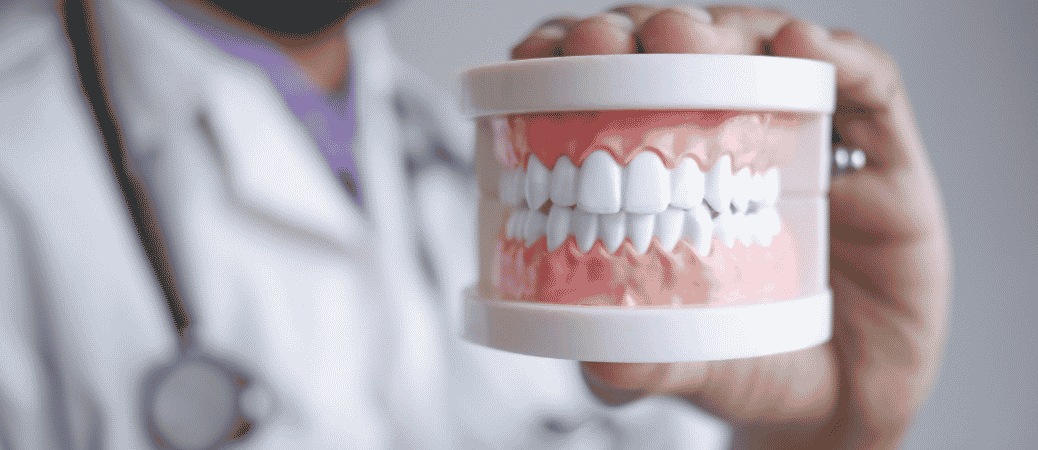
Loose dentures and bone loss often go hand in hand. They can speed up changes in your jaw that already started after tooth loss. If your denture rocks or shifts, it puts uneven pressure on your gums and bone.
Loose dentures can accelerate jawbone shrinkage because they fail to stimulate the bone and often add extra pressure that increases bone loss over time.
Without tooth roots, your jaw no longer gets the signals it needs to stay strong. As the bone shrinks, your denture feels even looser, and the cycle continues.
You may notice changes in your bite, sore spots, or even a shift in your facial shape. When you understand what causes jawbone shrinkage and how denture fit affects your oral health, you can take steps to protect your smile and your comfort.
Key Takeaways
- Tooth loss starts jawbone shrinkage, and loose dentures can speed it up.
- Poor denture fit increases pressure on the jaw and affects oral health.
- Early care and proper treatment help protect your bone and denture stability.
Understanding Bone Loss After Tooth Removal
When you lose a tooth, the change goes deeper than the space you see in your smile. Your jawbone begins to shrink because it no longer receives the signals that keep it strong and active.
The Role of Tooth Roots in Jawbone Stimulation
Your tooth roots do more than hold teeth in place. They press into the jawbone every time you chew or bite.
This pressure sends signals to your body that say, “Keep this bone strong.” Your body responds by maintaining bone density and structure. This process supports long-term bone health.
When tooth loss occurs, the root disappears. Without that steady pressure, your body sees that part of the jaw as unnecessary.
It then begins a process called bone resorption, where it breaks down and absorbs bone tissue. Traditional dentures sit on top of the gums, but they do not replace roots.
That means they cannot provide the same stimulation your jawbone needs to stay full and stable.
What Happens to the Alveolar Bone
The alveolar bone is the part of your jaw that surrounds and supports your teeth. It depends on tooth roots to stay strong.
After tooth removal, this bone starts to shrink. Your body removes minerals and reduces bone volume in the empty area. This process is known as jawbone resorption.
Research shows that this shrinkage begins soon after tooth extraction.
In fact, during the first year, you can lose a large portion of the bone’s width in that area, as explained in this article on the link between tooth loss and bone shrinkage.
The lower jaw often shrinks faster than the upper jaw. Over time, the ridge that once held your tooth becomes narrower and flatter. This change makes it harder for dentures to stay stable.
Timeline of Bone Resorption
Bone resorption starts quickly. The most rapid bone loss often happens in the first 6 to 12 months after tooth loss.
During this period, you may lose up to about 25% of the bone’s width in the affected area. After that, the rate slows down but does not fully stop.
Several factors affect how fast jawbone shrinkage occurs:
- Time since extraction
- Location in the mouth
- Your overall bone health
- Whether the area receives stimulation, such as from implants
The lower jaw tends to lose bone more quickly, which makes lower dentures harder to keep in place. If you wear traditional dentures, they rest on the gums and do not prevent this ongoing change.
Over the years, steady jawbone changes can lead to loose dentures and repeated adjustments.
Consequences for Facial Structure
Bone loss affects more than denture fit. It also changes how your face looks.
As the jawbone shrinks, it provides less support for your lips and cheeks. This can lead to sunken cheeks, thinner lips, and deeper lines around your mouth.
You may also notice that your lower face appears shorter. The distance between your nose and chin can decrease as the bone underneath collapses.
These changes in facial appearance often develop slowly. Many people do not notice them at first.
When loose dentures add uneven pressure to already shrinking bone, the cycle can continue and become harder to manage.
How Loose Dentures Exacerbate Jawbone Shrinkage
Loose dentures do more than slip when you talk or eat. They change how pressure hits your gums and speed up bone resorption under the surface.

Lack of Natural Pressure and Stimulation
Your natural teeth once sent steady pressure into your jawbone every time you chewed. That pressure kept the bone active and strong.
When you lose teeth, that signal stops. A traditional denture only rests on your gums, so it cannot replace that deep root stimulation.
If your dentures are loose, the problem grows. Instead of even pressure across the ridge, you get light contact in some areas and no contact in others.
Bone that does not receive steady pressure begins to shrink. This process is called bone resorption.
Over time, ridge resorption lowers the height and width of your jaw. As the ridge flattens, denture stability drops. You may think you just need new dentures, but the real issue is ongoing jawbone shrinkage beneath them.
Denture Movement and Sore Spots
Loose dentures rarely stay still. They shift when you chew, talk, or smile. This denture movement creates friction between the base and your gums.
That friction often leads to sore spots, redness, and swelling. When certain areas take more force than others, the pressure becomes uneven. Your bone responds to this stress by breaking down faster in those spots.
Common signs include:
- Tender areas along the lower ridge
- Dentures that rock during meals
- The need for more adhesive to feel secure
Jawbone resorption is a natural process after tooth loss. Movement makes that process worse by adding repeated trauma to the ridge.
Ill-Fitting Dentures and Accelerated Bone Breakdown
Ill-fitting dentures place force in the wrong places. Instead of spreading pressure evenly, they create concentrated load points.
Your jawbone cannot tolerate that constant imbalance. It responds by shrinking in stressed areas and thinning over time.
Many patients assume that a loose fit only affects comfort. In reality, standard dentures cannot stop bone loss at all.
When your denture fit declines, you may:
- Need frequent relines
- Notice gaps between your denture and gums
- Feel reduced denture stability
Each of these signs points to ongoing ridge resorption. Without timely adjustments, bone breakdown can speed up.
Cycle of Bone Loss and Poor Denture Fit
Loose dentures and jawbone shrinkage feed into each other. One problem makes the other worse.
It often starts with mild bone resorption after tooth loss. Your denture becomes slightly loose. That looseness increases denture movement and uneven pressure. Bone shrinks faster, and your denture fit declines again.
This cycle looks like this:
- Tooth loss leads to bone resorption.
- Ridge resorption reduces denture stability.
- Loose dentures move and irritate tissue.
- Irritation and uneven force accelerate bone breakdown.
- You need relines or new dentures sooner than expected.
If you ignore early signs, the ridge can become too flat to support stable dentures. Protecting jawbone preservation requires regular exams, timely adjustments, and attention to changes in how your dentures feel day to day.
Impact on Appearance, Diet, and Daily Life
Loose dentures do more than slip when you talk. They can change your facial structure, limit what you eat, and affect how you feel in daily life.
Facial Changes and Sunken Appearance
When you lose teeth, your jawbone begins to shrink. Loose dentures can speed up this process because they do not give your jaw steady support. Over time, this affects your facial structure.
You may notice sunken cheeks, thinner lips, or deeper lines around your mouth. Your lower face can look shorter as bone height decreases. These changes in facial appearance often become more clear after years of wearing unstable dentures.
Bone shrinkage also reduces denture stability. As the ridge becomes flatter, your denture has less surface to grip. Many long-term denture wearers report visible facial changes linked to jawbone resorption.
Small shifts in bone can create noticeable changes in how your face looks and feels.
Nutrition and Chewing Challenges
Loose dentures make chewing harder. When your denture rocks or lifts, you avoid firm foods because they feel unsafe or painful.
You may start cutting food into very small pieces or skipping foods like:
- Raw vegetables
- Nuts and seeds
- Lean meats
- Crisp fruits
This limits your nutrition. Poor chewing can also affect digestion since larger food pieces are harder to break down.
Studies on why dentures feel loose after years of wear show that jawbone resorption reduces denture stability, which makes eating less efficient. As chewing becomes uneven, sore spots and gum irritation may increase.
Over time, changes in diet can impact your overall oral health and general health. You may eat softer, processed foods that are lower in protein and fiber. That choice can weaken your body and your jawbone even more.
Self-Confidence and Quality of Life
Loose dentures affect more than function. They can shape how you feel in social settings.
You may worry about your denture slipping while speaking or laughing. Clicking sounds, shifting during meals, or fear of it falling out can make you avoid certain situations.
Common daily concerns include:
- Covering your mouth when you talk
- Skipping social meals
- Avoiding photos
- Feeling older than you are
When missing teeth and bone loss change your appearance and denture fit, your self-confidence often drops. Stable dentures support both oral health and peace of mind.
Modern Approaches to Preventing Accelerated Bone Loss
You can slow jaw shrinkage when you choose the right treatment and keep your dentures stable. The goal is to protect your jawbone, reduce pressure on weak areas, and keep steady stimulation where your teeth used to be.

Implant-Supported Dentures and Bone Stimulation
Traditional dentures sit on top of your gums. They do not replace the tooth roots that once stimulated your jawbone.
With implant-supported dentures, small titanium posts act like artificial roots. Your dentist places dental implants into your jawbone. The bone then bonds to the implant in a process called osseointegration.
This bond helps:
- Maintain bone density
- Improve denture stability
- Reduce slipping and rubbing
- Support long-term jawbone preservation
When your jaw receives steady pressure from implants, it keeps more of its natural shape. This approach does not just replace teeth. It helps prevent bone loss by restoring the function your roots once provided.
Implant-supported dentures often feel more secure when you eat or speak. That added stability also lowers uneven pressure that can speed up bone shrinkage.
High-Quality and Properly Fitted Dentures
Loose dentures place uneven pressure on your gums. That pressure can increase bone resorption over time.
Studies show that traditional dentures do not stop bone loss and may even speed jaw shrinkage in some patients.This risk grows when dentures no longer fit your changing jaw.
You can lower that risk by choosing high-quality dentures that match your bite and jaw shape. A well-made denture should:
- Fit snugly without rocking
- Distribute pressure evenly
- Support natural chewing patterns
Regular checkups matter just as much as the denture itself. Your jaw changes over time, so your dentist must adjust the fit to protect your bone and soft tissue.
Denture Relining: Soft and Hard Options
Even well-made dentures loosen as your jawbone shrinks. Denture relining reshapes the inside surface so it matches your current gum contour.
There are two main types:
| Type | Best For | Key Benefit |
| Soft reline | Tender or sore gums | Adds cushion and comfort |
| Hard reline | Long-term fit correction | Restores stable contact |
A soft reline uses a flexible material that absorbs pressure. It works well if you have sore spots or thin gum tissue.
A hard reline uses firm acrylic. It provides a more durable correction when your denture base no longer fits your jaw.
Regular adjustments help maintain even pressure. Dental experts stress the need for ongoing care in cases of bone changes, including relines and fit checks.
Bone Grafting and Pre-Prosthetic Procedures
If you already lost significant bone, your dentist may suggest bone grafting. This procedure rebuilds areas of weak or thin jawbone.
During bone grafting, your provider places bone material in areas where volume is low. Over time, your body forms new bone in that space.
You may need grafting before:
- Placing dental implants
- Upgrading to implant-supported dentures
- Improving denture stability
Bone grafting supports stronger implant placement and better long-term jawbone preservation. It can also improve how your denture rests on the ridge of your jaw.
Pre-prosthetic procedures may reshape uneven bone or remove sharp areas. These small surgical steps create a smoother base so your denture fits more securely and causes less pressure damage.
When you combine careful planning, strong materials, and regular dental visits, you give your jaw the best chance to stay stable and healthy.
Best Practices for Long-Term Oral and Bone Health
You protect your jawbone and gums by staying consistent with dental visits, daily care, and smart nutrition. Small habits make a real difference in how well your dentures fit and how stable your bone stays over time.
Importance of Regular Dental Check-Ups
You need regular dental check-ups at least once a year, even if you no longer have natural teeth. Your dentist checks the fit of your dentures and looks for early signs of jawbone shrinkage.
Loose dentures can speed up bone loss. Research shows that denture wear is a common cause of bone loss in denture-bearing areas. Your dentist can adjust the base, reline the denture, or suggest other options before the problem gets worse.
During your visit, your dentist will also:
- Check your gums for sores or irritation
- Examine any remaining natural teeth
- Screen for oral cancer
- Review your denture adhesive use
These visits support long-term oral health and help you avoid major repairs later.
Denture Hygiene and Oral Care Tips

You protect your gums and bone when you keep your dentures clean. Poor denture hygiene can lead to infection, inflammation, and faster bone changes.
Follow these daily steps:
- Rinse dentures after meals
- Brush them with a soft denture brush
- Soak them overnight in a denture solution
- Brush your gums and tongue with a soft toothbrush
Clean tissues stay healthier and handle pressure better. If you still have remaining natural teeth, brush and floss them daily to prevent decay and gum disease.
Avoid using too much denture adhesive to fix looseness. Adhesive can improve grip, but it does not solve bone loss. If you need large amounts just to keep dentures in place, schedule a dental visit.
Diet, Supplements, and Bone Health
Your jawbone depends on steady nutrients to stay strong. When you lose tooth roots, the bone receives less stimulation, so nutrition becomes even more important.
Focus on foods rich in:
- Calcium (milk, yogurt, leafy greens)
- Vitamin D (fatty fish, fortified foods, safe sun exposure)
- Protein (eggs, beans, lean meats)
Calcium and vitamin D work together to support bone structure. If your diet falls short, your doctor may suggest supplements.
Loose dentures can make chewing harder. Over time, poor fit may limit food choices and affect nutrition.
Studies note that natural bone loss can cause dentures to become unstable and affect eating comfort, which may impact health in older adults in care settings.
Choose softer but nutrient-dense foods if chewing feels difficult, and talk to your dentist if discomfort limits your diet.
When to Consider Denture Replacement
Dentures do not last forever. As your jawbone changes shape, the base of the denture may no longer match your gums.
You may need denture replacement or relining if you notice:
- Frequent slipping
- Clicking when you speak
- Sore spots
- Changes in facial shape
Traditional dentures can speed up bone changes because they do not replace tooth roots. Without root stimulation, the body reabsorbs bone, which affects fit and facial support.
Your dentist may suggest relining, a new denture, or implant-supported options depending on your bone level. Acting early protects your comfort, chewing ability, and long-term oral health.