7 Warning Signs You May Need an Emergency Tooth Extraction: Expert Guide

Tooth pain has a way of starting small and getting worse fast. What begins as mild discomfort can turn into throbbing pain that keeps you up at night.
If you experience severe pain, visible swelling, bleeding that won’t stop, or signs of infection like pus or fever, you may need an emergency tooth extraction to protect your oral health.
Knowing when dental discomfort requires immediate attention can save you from serious complications. An infected or damaged tooth doesn’t just cause pain.
It can spread bacteria to other parts of your mouth and body if left untreated.
This guide covers seven warning signs that signal you might need emergency dental care. You’ll learn what symptoms to watch for, when to call your dentist, and what happens during the tooth extraction process.
Key Takeaways
- Severe pain, swelling, infection signs, or trauma to your teeth require immediate dental evaluation to prevent complications
- Delaying necessary tooth extraction can lead to infections spreading and damage to nearby teeth
- Emergency extractions range from simple procedures to surgical removal depending on the tooth’s condition and location
Recognizing the Most Urgent Dental Symptoms
Certain dental symptoms demand immediate attention because they can indicate serious infections or structural damage that won’t improve on their own.
Understanding the difference between minor discomfort and signs that require immediate dental attention helps you act quickly to save your tooth and protect your overall health.
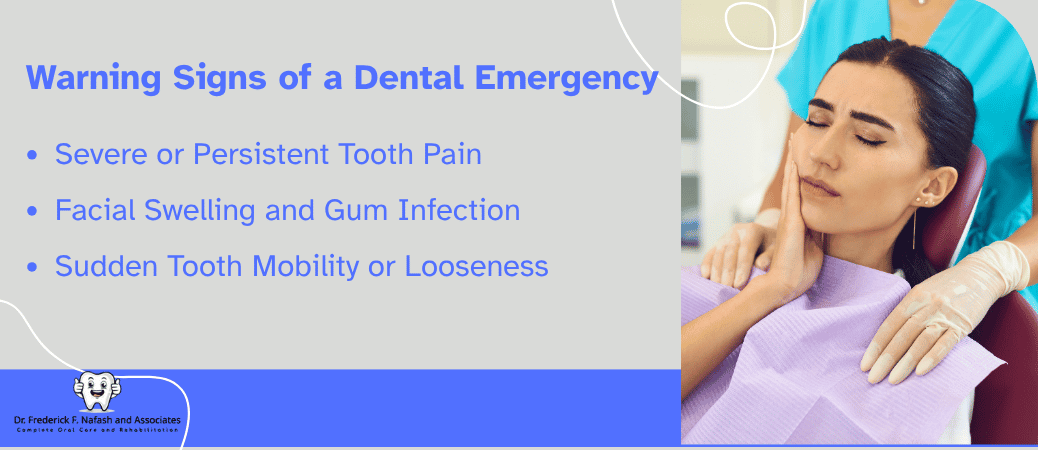
Severe or Persistent Tooth Pain
Severe tooth pain that doesn’t go away with over-the-counter medication is often a sign of deep decay or infection. This type of pain might feel sharp and shooting, or it could be a constant throbbing that keeps you awake at night.
Persistent tooth pain lasting more than a day or two shouldn’t be ignored. The pain could indicate that bacteria have reached the inner pulp of your tooth where the nerves and blood vessels are located.
You might need an emergency tooth extraction if the tooth is too damaged to save with a root canal. Pain that gets worse when you bite down or when you consume hot or cold foods often means the problem is progressing.
Warning signs that your tooth pain is serious:
- Pain that wakes you up at night
- Discomfort that spreads to your jaw, ear, or neck
- Sensitivity that lasts longer than 30 seconds after eating or drinking
- Pain that doesn’t respond to pain relievers
Facial Swelling and Gum Infection
Facial swelling is one of the most serious dental emergency warning signs you can experience. Swelling around your jaw, cheek, or under your chin indicates an oral infection that could spread to other parts of your body.
Gum swelling near a specific tooth, especially when accompanied by pus or a bad taste in your mouth, signals an abscess. A dental abscess is a pocket of infection that forms when bacteria enter through a crack or cavity in your tooth.
Systemic symptoms such as fever, malaise, or chills mean the infection is spreading beyond the tooth. This situation requires urgent attention from an emergency dentist because the infection can enter your bloodstream.
An emergency extraction might be necessary if antibiotics can’t control the infection. Don’t wait to see if the swelling goes down on its own, as delaying treatment can lead to serious health complications.
Sudden Tooth Mobility or Looseness
A loose adult tooth is never normal and always requires immediate evaluation. Unlike children who naturally lose their baby teeth, adults should have stable teeth that don’t move or shift.
Tooth mobility can result from severe gum disease, trauma, or an infection that has destroyed the bone supporting your tooth. Even slight looseness means the structures holding your tooth in place are compromised.
You should contact an emergency dentist the same day you notice loose teeth. Quick action might save the tooth if the cause is treatable, but waiting can make the situation worse.
Emergency tooth extraction becomes necessary when the tooth can’t be stabilized or when infection has caused too much bone loss.
Your dentist will determine whether the tooth can be saved or if extraction is the safest option to prevent further damage.
Common Dental Issues Leading to Emergency Extraction
Several dental problems can worsen quickly and require immediate tooth removal. Untreated decay, gum disease, and dental infections are the most common reasons you might need an emergency extraction.
Irreparable Tooth Decay and Cavities
When you ignore cavities, they don’t just go away on their own. Advanced tooth decay eats through your tooth’s protective layers and reaches the inner pulp where nerves and blood vessels live.
Severe tooth decay causes damage that goes too deep for fillings or crowns to fix. The bacteria break down your tooth structure until it becomes too weak to save.
You might feel sharp pain when eating or drinking, and the tooth may even start to crumble.
Cavities that reach the tooth’s root can cause infections that spread to nearby teeth and bone. At this stage, your dentist may determine that extraction is safer than trying to repair the damaged tooth.
Leaving severely decayed teeth in your mouth puts your overall oral health at risk.
Advanced Gum Disease and Periodontitis
Gum disease starts as mild inflammation but can progress into serious periodontitis. This advanced gum disease attacks the tissues and bone that hold your teeth in place.
Periodontal disease creates pockets between your teeth and gums where bacteria gather.
These pockets get deeper over time and destroy the supporting bone structure. Your teeth become loose and unstable as the foundation weakens.
When periodontitis reaches an advanced stage, your teeth may shift position or feel wobbly when you touch them. The bone loss becomes so severe that saving the tooth is no longer possible.
A gum infection at this level can also spread to other areas of your mouth and body.
Dental Abscesses and Spreading Infections
A dental abscess forms when bacteria create a pocket of pus around your tooth root or in your gums. This tooth infection causes severe throbbing pain that doesn’t stop, even with pain medication.
You’ll notice swelling in your face, jaw, or neck when an abscess develops. The area feels tender and hot to the touch. Infection spreading beyond the tooth is a serious medical emergency that needs immediate attention.
The following symptoms mean your abscess requires urgent care:
- Fever and chills
- Difficulty swallowing or breathing
- Swelling that closes your eye or restricts jaw movement
- Foul taste in your mouth from draining pus
Can a tooth infection require emergency extraction? Yes, especially when the infection doesn’t respond to antibiotics or threatens to spread to vital areas.
Your dentist may need to remove the tooth to stop the bacteria from reaching your bloodstream or brain.
Tooth Damage: Cracks, Fractures, and Trauma
Teeth can break or crack from injuries, grinding, or biting hard objects. These types of damage often cause pain and may require emergency extraction if the tooth cannot be saved.
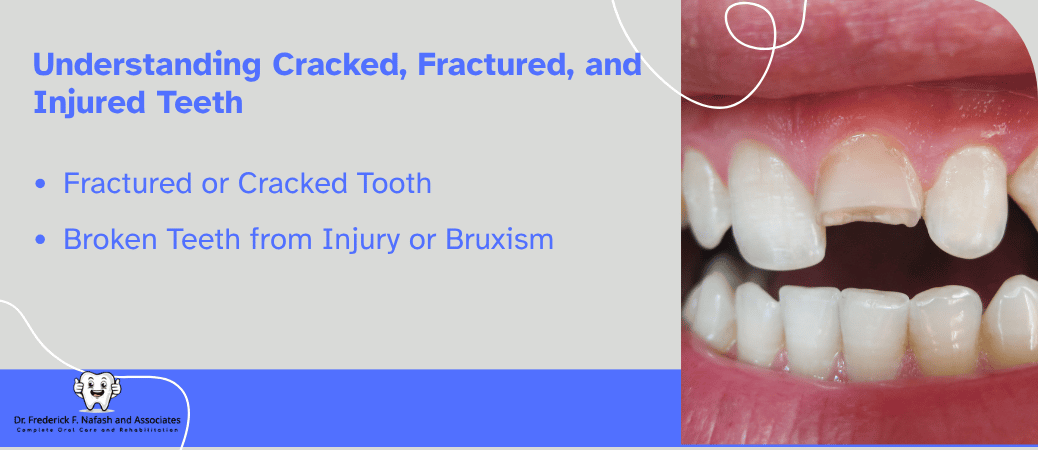
Fractured or Cracked Tooth
A cracked tooth is a dental emergency that needs immediate care. You might crack a tooth by crunching on popcorn kernels, chomping ice, or grinding your teeth at night.
Signs of a cracked tooth include sharp pain when you bite down, sensitivity to hot or cold foods, and discomfort that comes and goes. Sometimes you can see the crack, but other times it’s too small to spot without a dental exam.
Not all cracks are the same. Some only affect the outer enamel and can be fixed with bonding or a crown. However, root fractures often lead to extraction because the damage extends below your gumline where it cannot be properly repaired.
If you ignore a fractured tooth, bacteria can enter the crack and cause infection. Your chewing ability may also decline as the pain worsens.
Broken Teeth from Injury or Bruxism
A broken tooth can result from a direct blow to your mouth during sports or an accident. Dental trauma symptoms include sudden severe pain, especially when touching the affected area or trying to chew.
Bruxism, or teeth grinding, weakens your teeth over time and makes them more likely to break. You might grind your teeth during sleep without realizing it. This constant pressure can cause chips, cracks, or complete fractures.
Common causes of broken teeth:
- Falls or accidents
- Sports injuries without a mouthguard
- Chronic teeth grinding (bruxism)
- Biting down on hard objects
When a tooth breaks badly, your dentist will check if it can be saved with a crown or root canal. If the break extends into the root or causes severe damage, extraction becomes necessary to prevent infection and protect your other teeth.
Problems With Wisdom Teeth and Overcrowding
Wisdom teeth often cause serious dental issues when they don’t have enough room to grow properly. These problems can lead to pain, infection, and misalignment of your other teeth.
Impacted Wisdom Teeth and Third Molars
Your third molars, commonly called wisdom teeth, typically try to emerge between ages 17 and 25. When these teeth can’t move into their correct position, they become impacted.
Impacted wisdom teeth occur when your jaw doesn’t have enough space for them to grow. This causes the tooth to get stuck beneath your gum tissue or bone.
The tooth may grow at an angle, press against neighboring teeth, or remain completely trapped.
Types of impaction include:
- Bony impaction – the tooth stays covered by both bone and gum tissue
- Soft tissue impaction – only gum tissue covers the tooth
- Partial eruption – the tooth breaks through the gum but can’t emerge fully
Partially erupted teeth create openings where bacteria can enter and cause infection. You might experience jaw pain, gum swelling, headaches, or stiffness at the back of your mouth.
Some impacted teeth don’t cause symptoms right away, but they can still damage your other teeth over time.
A surgical tooth extraction becomes necessary when impaction causes problems or threatens your oral health.
Overcrowded Teeth and Orthodontic Concerns
Wisdom teeth can push against your existing teeth and create overcrowding issues. When these teeth try to force their way into an already full mouth, they shift your other teeth out of position.
Overcrowded teeth from wisdom teeth can undo years of orthodontic work. If you wore braces or had other alignment treatments, erupting wisdom teeth might ruin those results.
The pressure from wisdom teeth can cause your front teeth to overlap or twist.
Your dentist may recommend extraction before wisdom teeth cause crowding problems. Removing them early prevents your other teeth from shifting. This is especially important if you have a small jaw or limited space in your mouth.
Simple extraction works for fully erupted wisdom teeth, while impacted teeth require surgical removal. Your dentist will take X-rays to check tooth position and plan the best approach for your situation.
What to Expect During an Emergency Tooth Extraction
When you arrive for an emergency tooth extraction, your dentist will examine your tooth, take X-rays to see the full picture, and choose the best removal method based on your situation.
The procedure includes numbing the area so you stay comfortable throughout.
The Diagnostic and Evaluation Process
Your dentist starts with a thorough dental evaluation to understand what’s happening with your tooth. They’ll ask about your pain level, when it started, and your medical history.
Dental X-rays are usually taken to see the tooth’s roots, check for infection in the bone, and spot any complications. These images help your dentist plan the safest approach for removal.
The evaluation also includes checking your gums and surrounding teeth. Your dentist looks for signs of swelling, abscesses, or damage to nearby teeth.
This information helps them decide if you need a simple or surgical extraction.
If you’ve had previous dental work like a root canal or root canal therapy on the same tooth, your dentist needs to know. Failed treatments sometimes make extraction more complex.
Extraction Procedure Types
A simple extraction works for teeth that are visible above the gum line. Your dentist uses special tools called elevators and forceps to loosen and remove the tooth. A simple emergency tooth extraction typically takes 20 to 40 minutes.
A surgical extraction is needed when a tooth is broken below the gum line or hasn’t fully erupted. Your dentist makes a small cut in your gum to access the tooth.
Sometimes they need to remove a bit of bone or divide the tooth into pieces for easier removal.
Surgical extractions may take 45 to 90 minutes depending on complexity. Both procedures are done in a single visit, so you don’t need to come back for the actual removal.
Managing Pain and Anesthesia

Local anesthesia keeps you comfortable during the tooth extraction procedure. Your dentist injects numbing medicine around the tooth, which blocks pain signals.
You might feel pressure during the extraction, but you shouldn’t feel sharp pain.
The numbing usually kicks in within a few minutes. Your dentist will test the area to make sure it’s completely numb before starting.
If you feel any discomfort during the procedure, let them know right away so they can add more anesthesia.
After the extraction, you’ll bite on gauze for 30 to 60 minutes to stop bleeding. Your dentist will give you pain medicine recommendations before you leave.
Most people manage post-procedure discomfort with over-the-counter options like ibuprofen or acetaminophen.
Post-Extraction Recovery and Preventing Future Emergencies
Recovery after a tooth extraction requires careful attention to aftercare instructions and proper healing practices. Taking steps to prevent complications like dry socket and planning for tooth replacement will protect your oral health long-term.
Aftercare Instructions and Healing
Your dentist will provide specific aftercare instructions to follow after your extraction. Bite down on gauze for 30 to 45 minutes to help form a blood clot in the socket.
Apply a cold compress to your face for 25-minute periods during the first day to reduce swelling.
Avoid rinsing your mouth vigorously for the first 24 hours. After that, gently rinse with warm salt water several times a day.
Don’t use a straw, smoke, or spit forcefully for at least 72 hours. These actions can dislodge the blood clot that protects your healing socket.
Eat soft foods like yogurt, mashed potatoes, and soup for the first few days. Stick to liquids and foods that don’t require much chewing.
Normal healing after tooth extraction typically progresses without major issues when you follow these guidelines carefully.
Preventing Dry Socket and Other Complications
Dry socket occurs when the blood clot in your socket breaks down or dislodges too early. This exposes the bone underneath and causes severe pain that usually starts 2 to 3 days after extraction.
Smoking and using oral contraceptives increase your risk of developing this painful condition. Postextraction alveolitis or dry socket is most common after removing lower molars, especially wisdom teeth.
Watch for signs that require calling your dentist:
- Pain that gets worse after 3 days instead of better
- Fever or chills
- Excessive bleeding that won’t stop
- Bad breath or foul taste that doesn’t improve
- Swelling that increases after the third day
Maintain good oral hygiene by gently brushing your other teeth. Avoid brushing directly over the extraction site for the first few days.
Missing Tooth Solutions: Implants, Dentures, and More
Replacing your missing tooth prevents neighboring teeth from shifting and maintains your bite alignment. Dental implants are permanent solutions that function like natural teeth.
A titanium post is surgically placed into your jawbone and topped with a crown.
Dentures are removable appliances that can replace one or several missing teeth. Partial dentures attach to your remaining teeth with metal clasps.
Dental bridges use crowns on adjacent teeth to support a false tooth in the gap. This option works well when you have healthy teeth on both sides of the missing tooth.
Schedule regular dental checkups every six months to monitor your oral health. Your dentist can catch problems early before they turn into emergencies.
Discuss which tooth replacement option fits your budget and lifestyle during your follow-up appointment.
Frequently Asked Questions
Knowing when tooth pain crosses into emergency territory can be confusing. These answers help you recognize urgent signs and understand what steps to take to protect your oral health.
What symptoms mean a tooth problem is an emergency and I should seek care right away?
Certain symptoms signal that you need immediate dental attention. Severe tooth pain along with facial swelling, fever, or difficulty swallowing indicates a serious infection that shouldn’t wait.
You should also seek care right away if you have uncontrollable bleeding from your tooth or gums. A knocked-out tooth or tooth that’s been pushed out of position requires emergency treatment within an hour for the best chance of saving it.
Swelling that spreads to your eye, neck, or under your jaw needs immediate attention. This type of swelling can block your airway or spread infection to other parts of your body.
How can I tell the difference between normal tooth pain and severe pain that may require removal?
Normal tooth pain often comes and goes or responds well to over-the-counter pain medication. The discomfort might happen when you eat hot or cold foods but then goes away quickly.
Severe pain that requires extraction is usually constant and intense. It keeps you awake at night and doesn’t improve with regular pain relievers.
Pain that shoots through your jaw or radiates to your ear or head often signals a deeper problem. If the pain gets worse when you bite down or touch the tooth, this points to possible infection or damage that may need extraction.
What should I do if my face or gums start swelling around a painful tooth?
Call your dentist immediately if you notice swelling around a painful tooth. Swelling indicates infection that’s spreading beyond the tooth into surrounding tissues.
Apply a cold compress to the outside of your face for 15 minutes at a time to reduce swelling. Don’t apply heat, as this can make the infection spread faster.
Take over-the-counter pain medication as directed on the package. Rinse your mouth gently with warm salt water to help keep the area clean.
Go to the emergency room if the swelling makes it hard to breathe or swallow. You should also seek emergency care if you develop a fever along with the swelling.
Can a cracked or broken tooth require urgent extraction, and what warning signs should I watch for?
A cracked or broken tooth can need emergency extraction depending on the severity of the damage. A small chip on the edge of your tooth usually isn’t urgent, but a deep crack that reaches the root often requires immediate care.
Watch for sharp pain when you bite down on the damaged tooth. This suggests the crack has reached the inner pulp where nerves and blood vessels live.
Look for signs of infection developing around the broken tooth, such as swelling, redness, or bad taste in your mouth. If pieces of the tooth continue breaking off or the tooth feels loose, you need to see a dentist quickly.
Sensitivity to temperature that doesn’t go away or gets worse means the crack may be exposing the tooth’s inner layers.
Dark discoloration or visible cracks running vertically down the tooth are warning signs that extraction might be necessary.
If I have a bad taste, pus, or a draining bump on my gums, could that mean I need emergency treatment?
Yes, these symptoms point to an active infection that needs prompt treatment. Pus or drainage means bacteria have created an abscess in your tooth or gums.
A draining bump on your gums, called a fistula, develops when your body tries to release infected material. The bad taste comes from the pus draining into your mouth.
Don’t ignore these signs even if the pain suddenly gets better. Pain relief after drainage starts actually means the infection is still present and spreading.
The infection can damage your jawbone and spread to other parts of your body if left untreated.
Contact your dentist the same day you notice these symptoms. You’ll likely need antibiotics and possibly tooth extraction to stop the infection.
How quickly should I see a dentist if I have fever or trouble swallowing along with tooth pain?
You need to see a dentist or go to the emergency room immediately if you have these symptoms. Fever with tooth pain means the infection has spread beyond the tooth into your bloodstream.
Trouble swallowing indicates the infection may be affecting your throat or airways. This is a serious medical emergency that requires treatment within hours, not days.
Emergency rooms can provide antibiotics and pain medication to stabilize your condition. However, you’ll still need to follow up with a dentist for the actual tooth extraction or other dental procedure.
Don’t wait until the next business day if you develop fever over 101°F or have increasing difficulty opening your mouth or swallowing. These symptoms can progress quickly and become life-threatening without proper treatment.